Category Archives: herbal medicine

Exploring the Latest in Herbal Research Worldwide

Herbal medicine is woven into the fabric of every culture, but how can we tell which remedies are truly effective? Instinctively, I would say empirical knowledge and millennia of trial and error are enough. Yet, it is important to know what research says.

As curiosity about plant-based cures grows worldwide, scientists are digging deeper than ever. From wandering through wild landscapes to peering into microscopes, researchers are blending time-honored wisdom with cutting-edge technology to reveal the mysteries of medicinal plants. Let’s explore the ever-changing world of herbal research and discover what it means for herbalists and plant enthusiasts everywhere.

From Oral Tradition to Evidence: The Bright Side

For generations, herbal medicine thrived in the glow of fireside tales, sacred rituals, and the steady guidance of skilled hands. Now, as time threatens to erase this wisdom, researchers race to capture it—listening to elders, gathering plants from the wild, and weaving digital archives. Ethnobotanical studies, where scientists and local communities join forces to record plants and their stories, not only safeguard tradition but also ignite fresh scientific curiosity.


Modern Science Meets Ancient Traditions

Today’s herbal research thrives on integration. In bustling labs, age-old remedies meet modern scrutiny as scientists unravel how and why they work. With tools like chromatography and mass spectrometry, researchers uncover secrets hidden in plant compounds, while clinical trials bring these discoveries to life by testing safety and effectiveness in real people.

Key Trends Include:

  • Standardization: Efforts to define consistent dosages and preparations, making it easier to compare results across studies.
  • Quality Control: Testing for purity, contaminants, and potency, especially in commercially sold herbs.
  • Synergy Research: Studying how different plant compounds interact with one another—and with the human body—often confirming traditional “whole plant” wisdom.
  • Personalized Herbalism: Exploring how lifestyle and microbiome differences affect individual responses to herbs.

Challenges and Opportunities

  • Accessibility: Not all research is open access, and language barriers can limit how widely findings are shared.
  • Cultural Respect: Ethical research should honor indigenous knowledge and ensure communities benefit from discoveries.
  • Regulation: Differences in legal status and quality standards can make herbal research—and practice—tricky.

My favorite practice: the hybrid herbalism

For practicing herbalists and students, research is more than numbers on a page—it is a journey of discovery, a way to honor experience, and a lifeline for living traditions. The most meaningful science does not overshadow folk wisdom; instead, it inspires us to ask sharper questions, hone our craft, and protect everyone’s well-being.

Herbal research forms a living bridge that connects our roots to what lies ahead. As herbalists, we are storytellers and stewards, shaping this unfolding tale by honoring tradition, welcoming new tools, and always wondering, what can we discover together with the plants?

  • Stay curious and keep learning from both tradition and science.
  • Support ethical, community-based research projects.
  • Share what you learn with your clients, students, and local community.

If you are curious about my integrative teaching model, view my Bio.
Herbalism and the Law: What’s Changing for Herbalists Around the World

For millennia, herbalists have practiced their craft, drawing on tradition and community knowledge. As natural health grows in popularity, governments worldwide are introducing new regulations. Some of these rules help, while others can be very restrictive. If you’re a practicing herbalist, a student, or someone who enjoys making home remedies, it’s important to stay informed about these legal changes.

Why Are Herbalism Laws Changing?

The resurgence of herbal medicine stirs both enthusiasm and wariness. While many call for greater professional recognition and robust safety standards, worries about public health, product quality, and untrained practitioners have fueled a wave of stricter regulations.


A Glance at Recent Changes

European Union:
The EU’s Traditional Herbal Medicinal Products Directive (THMPD) sets rigorous rules for commercial herbal remedies, requiring registration, safety evidence, and proof of traditional use. Though designed to safeguard consumers, these measures can create steep hurdles for small-scale herbalists and time-honored preparations trying to reach the market.

United Kingdom:
Since Brexit, UK herbalists have had to navigate both lingering EU laws and emerging national guidelines. The National Institute for Medical Herbalists (NIMH) champions voluntary self-regulation, yet uncertainty still clouds issues like product licensing and practitioner status.

United States:
In the U.S., herbal products are regulated as dietary supplements under the Dietary Supplement Health and Education Act (DSHEA). This means herbalists can make and sell products, but cannot legally diagnose, treat, or prescribe unless they are also licensed healthcare professionals. Some states (like California and Minnesota) offer registration for traditional healers, but national standards are lacking.

Australia & New Zealand:
Australia embraces both Western and Chinese herbal medicine as complementary health practices. Practitioners may join professional associations and sometimes register with national boards. New Zealand follows a similar path, though upcoming laws may raise the bar for product labeling and practitioner training.

Canada:
Herbal products fall under Natural Health Product Regulations, which require proof of safety and efficacy for commercial sale. Herbalists themselves are not regulated nationally, though some provinces have voluntary associations.

Latin America & Africa:
Across many countries, herbalists are recognized as traditional health practitioners. Some governments are crafting new rules to weave herbal medicine into public health systems and uphold quality and safety. Still, laws and enforcement differ greatly from place to place.

What Does This Mean for Herbalists?

  • Stay Informed: Laws change quickly. Check with your country’s herbalist associations or health authorities for the latest updates.
  • Document Your Work: Keep records of your recipes, sources, and relevant information to protect yourself and your clients.
  • Label Clearly: Use accurate, honest labeling and avoid making medical claims unless licensed to do so.
  • Educate Clients: Be clear about what you can—and cannot—legally do in your practice.

The Heart of Herbalism Remains

Laws and rules may shift, but the heart of herbalism—listening to plants, people, and tradition—endures. By staying informed and adaptable, herbalists can keep sharing their gifts within their communities and beyond.

Want to go deeper?
Look up your country’s herbalist association or join international networks. If you’re unsure about the rules where you live, ask questions and connect with others who are navigating the same path.

What’s your opinion of the rules in your country? Share your thoughts, and you may be featured in the next article. Write us.

Crafting Natural Skin Products with Simple Ingredients

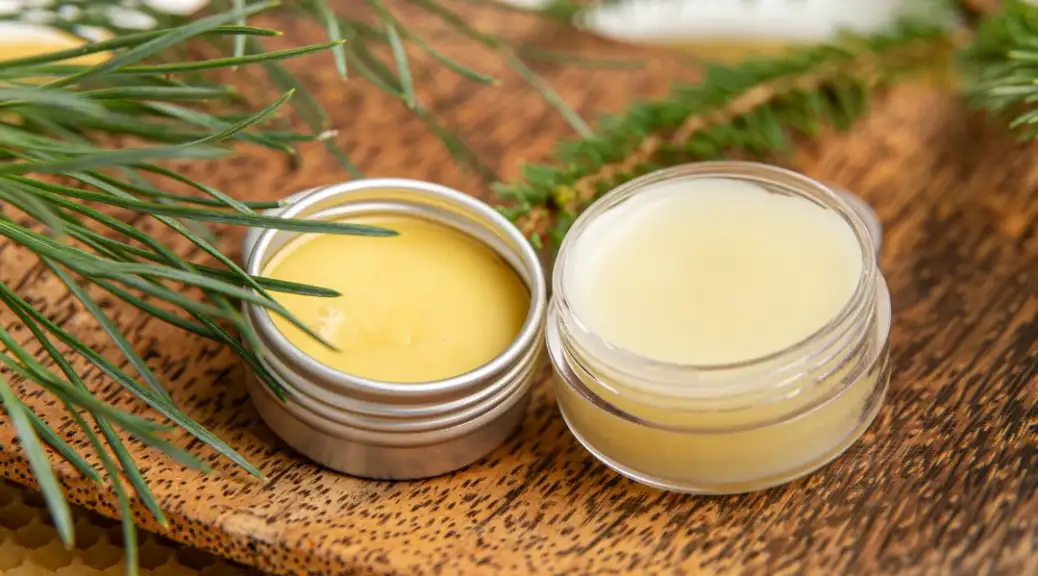
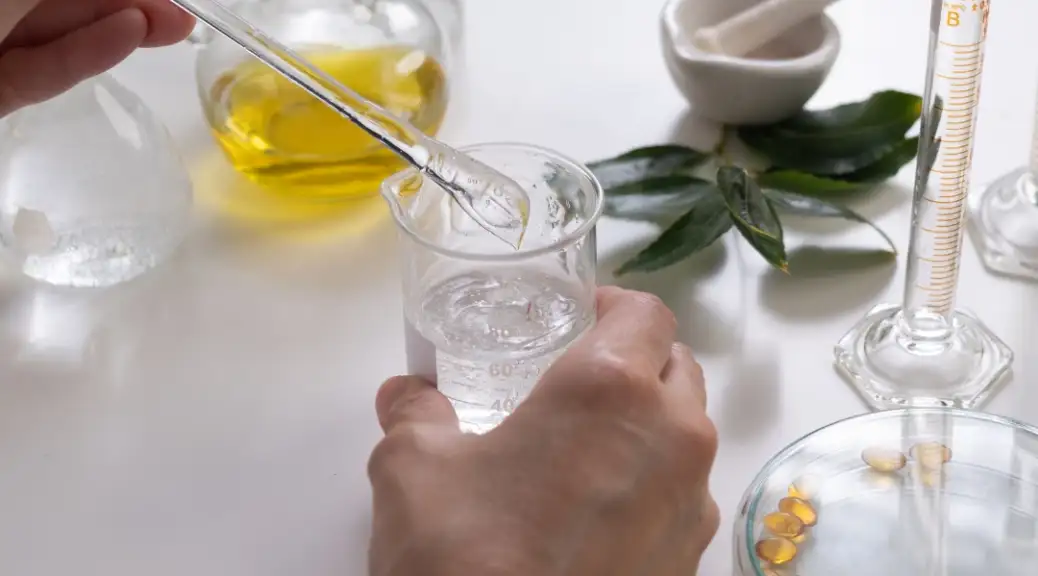
If you’ve ever wished for silky balms, soothing salves, or simple skin treats—without mystery chemicals or fancy equipment—this post is for you. As a wild herbalist, I love returning to basics: the kind of kitchen alchemy our grandmothers would recognize. Let’s talk about how to make your own natural skin products with just a handful of ingredients, starting with the golden magic of beeswax.

Beeswax for Your Skin: Nature’s Most Wanted Preservative in cosmetics

Beeswax is more than just the structure of the hive—it’s a true gift for natural skincare. When you use raw beeswax, especially the kind that still contains traces of propolis, you’re tapping into a long tradition of gentle, effective skin protection.

Why Beeswax?

  • Natural Barrier: Beeswax forms a breathable layer on the skin, locking in moisture while still allowing the skin to breathe. This makes it ideal for dry and sensitive skin, as it helps prevent water loss without clogging pores.
  • Soothing and Healing: Raw beeswax contains small amounts of honey, pollen, and propolis—natural substances known for their soothing and skin-repairing abilities. Propolis, in particular, is prized for its antimicrobial and anti-inflammatory properties, which help calm irritated or damaged skin.
  • Rich in Nutrients: Beeswax is packed with vitamin A, which supports cell regeneration and overall skin health.

A Natural Preservative
One lesser-known benefit of beeswax is its ability to help preserve homemade skincare products. Its natural antibacterial and antifungal properties slow down the growth of unwanted microbes, extending the shelf life of balms and salves. Combined with its stable, solid structure, beeswax helps keep your creations fresh and safe to use for months—without synthetic preservatives.

Choosing Beeswax
For best results, choose minimally processed, raw beeswax—ideally from a local beekeeper. The faint golden color and subtle honey scent signal its purity and potency. If you see tiny flecks or a slightly sticky feel, that’s likely the propolis, and your skin will thank you for it!

Basic ingredients for your natural skin products

Beeswax: The foundation of many balms and creams. It gives texture, locks in moisture, and has a gentle honeyed aroma.
Carrier Oils: Think olive oil, coconut oil, sweet almond oil, or sunflower oil. Oils nourish, soften, and help deliver herbal benefits to your skin.
Herbs: Calendula, lavender, chamomile, lemon balm—pick what you have or love. You can infuse these into your oil for added healing properties.
Essential Oils: For scent, medicinal value, and extra herbal magic. Don’t exceed the dosage, and choose hypoallergenic oils.
Cocoa Butter: For extra creaminess and richness.

The Easiest Balm Recipe to Nourish Your Skin with Wheatgerm & Hemp Oil

One of my go-to recipes when my skin craves deep nourishment is a balm made with wheatgerm and hemp oil. Both of these ingredients are packed with skin-loving nutrients:

You’ll need:

  • 1 part beeswax
  • 3–4 parts wheatgerm-infused hemp oil
  • A handful of dried herbs, infused into your oil
  • A few drops of rose geranium essential oil (no more than 2% of total cream weight)

Wheatgerm Oil:
Wheatgerm oil is incredibly rich in vitamin E, a powerful antioxidant that supports skin repair, soothes irritation, and helps protect against environmental stress. It’s especially great for dry, mature, or sun-exposed skin, and gives any balm a silky, restorative feel.

Hemp Oil:
Hemp seed oil is a superstar for sensitive or troubled skin. It’s high in omega-3 and omega-6 fatty acids, which help maintain the skin’s barrier, lock in moisture, and calm redness or inflammation. It absorbs easily and doesn’t clog pores, making it perfect for nearly any skin type.


How to Infuse Wheatgerm for Oil

You can buy wheatgerm oil ready-made, but to create your own gentle infusion using wheatgerm (the golden, nutrient-rich heart of the wheat grain), here’s what to do:

You’ll need:

  • 1 part wheatgerm (raw)
  • 3–4 parts carrier oil (I recommend hemp)
  • A clean glass jar with a lid
  • Cheesecloth or fine strainer

Seal the jar and place it in a warm spot (but not direct sun) for 1–2 weeks. Gently shake or turn the jar daily to support the infusion process. Strain: After 1–2 weeks, strain the oil through cheesecloth or a fine mesh strainer to remove all solids. Store your infused oil in a clean, dark glass bottle, away from heat and sunlight.

This balm is deeply nourishing, gentle enough for daily use, and perfect for dry hands, elbows, and anywhere your skin needs a little extra love.

If you want to dive into natural cosmetics, I suggest you check out our Herbalist Practice Program, both online and in person.

6 Essential Herbs for a DIY First Aid Kit

If you’re a nature lover who spends time exploring the woods, consider building your own herbal first aid kit. Nature is full of surprises, and having plant-based remedies on hand can make all the difference in an emergency.

HOW TO PREPARE YOUR HERBAL FIRST AID KIT

Most of us know the comfort of having a well-stocked first aid kit close by, whether we’re venturing outdoors or just preparing for life’s inevitable scrapes and surprises. But what if your kit could offer more than just the basics? For generations, people have turned to medicinal plants as quiet companions in moments of need, providing gentle support when conventional care is out of reach.

Here are 6 essential herbs to include in a reliable, effective kit for your adventures.

1. Antihemorrhagic Balms

For cuts, scrapes, or wounds that bleed, certain plants can help staunch bleeding. Dried yarrow (Achillea millefolium) leaf powder helps control minor bleeding. A balm containing yarrow or, alternatively, shepherd’s purse (Capsella bursa-pastoris) can be a valuable addition to your kit for managing small wounds while you clean and protect the area.

2. Cream for Muscle and Joint Pain

Arnica montana is a classic herbal remedy for bruises, sprains, and minor injuries. Apply arnica cream to unbroken skin (never open wounds) to reduce swelling, ease pain, and speed recovery from knocks and falls—perfect for hiking or active children.

3. Herbs for Soothing Bug Bites

If you’re in areas where insect stings are a concern, consider bringing plantain (Plantago major) leaves or extracts. Plantain poultices can soothe bites and help draw out toxins.

4. Natural Disinfectant

Tea tree ( Melaleuca alternifolia) essential oil is a popular natural disinfectant, valued for its strong antimicrobial properties. When properly diluted, it can clean minor cuts and scrapes, helping prevent infection while harnessing plants’ gentle power.

5. Energy Booster

Licorice root (Glycyrrhiza glabra) is a classic herbal ally for those struggling with low blood pressure (hypotension) and fatigue. Its main active compound, glycyrrhizin, helps the body retain sodium and fluids, which can naturally raise blood pressure and support better circulation. Beyond its effects on blood pressure, licorice is also cherished for its role in adrenal support—making it a go-to remedy for those dealing with chronic exhaustion or fatigue.

6. Remineralizing Drink

Marshmallow Root (Althaea officinalis): When it comes to dehydration, replenishing lost fluids is only part of the solution. Sometimes, the body also needs gentle support to restore and retain moisture at the cellular level. Marshmallow root is a classic herbal remedy prized for its mucilaginous properties—it forms a soothing, hydrating gel when steeped in water. Combined with mineral-rich infusions (like coconut water or a pinch of sea salt), marshmallow root can support deep hydration and comfort when water alone isn’t enough.

So next time you’re packing for the great outdoors, remember: a few trusty herbs in your first aid kit might just turn you into the wizard of the woods. Whether you’re soothing a bruise, calming a sting, or trying to impress your hiking buddies with your plant know-how, these green allies have your back.

Curious to know more? Check out our Wild Herbalism Program for hands-on herbal first aid.

The Alchemy of Scent: Understanding Essential Oils, Concretes, Absolutes, and Incense Fixatives

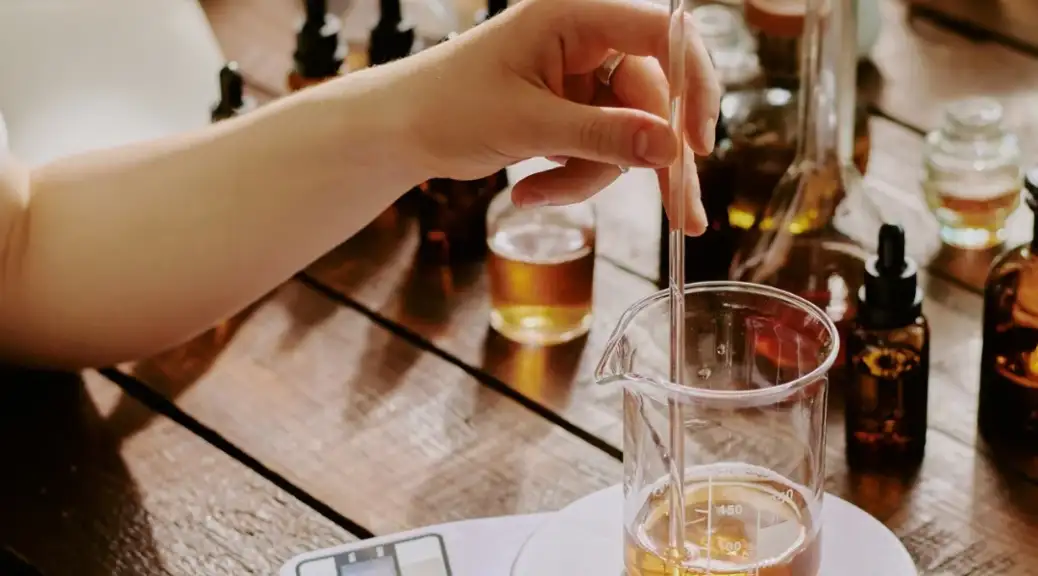
Something ancient and magical lives in the world of scent—a single whiff of a flower, resin, or spice can transport us to distant memories or exotic lands. For herbalists, perfumers, and incense makers, working with aromatic plants is a dance between chemistry and artistry, tradition and innovation. If you’ve ever wondered what sets essential oils apart from absolutes and concretes, or why some incense lingers in the air long after it burns, welcome to the fragrant heart of botanical alchemy.

I was born in Florence, a city steeped in the fragrances of history, where the art of alchemy and the secrets of perfumery have been woven into daily life for centuries. Growing up amidst Renaissance palaces, bustling markets, and ancient apothecaries, I was drawn from a young age to the old-world craft of extracting scent and meaning from the natural world. The traditions of Florentine alchemists and herbalists—blending resins, flowers, and roots into potions and perfumes—became part of my own story, inspiring a lifelong journey into the mysteries of aroma and the healing power of plants.

Essential Oils: The Volatile Soul of Plants

Essential oils are perhaps the best-known aromatic extracts. They are highly concentrated, volatile compounds produced by steam distillation or cold pressing.  They come from plant materials like flowers, leaves, wood, and citrus peels. Think of lavender, peppermint, or frankincense oil—each is captured from the living plant, carrying the essence of its aroma, medicinal virtues, and energetic signature.

Essential oils are prized for their purity and versatility. They’re used in aromatherapy, natural perfumery, and medicine, often requiring only a drop or two to infuse a blend with vibrant scent. However, because they consist only of the lightest, most volatile molecules, some nuanced, heavier notes—especially from delicate flowers—are lost in the process.

Concretes: Capturing the Full Bouquet

Concretes are a different kind of extract, often used in high-end perfumery. They’re created by soaking plant material in a non-polar solvent (traditionally hexane) to dissolve all aromatic compounds, waxes, and pigments. Once the solvent is evaporated, what remains is a soft, waxy substance: the concrete.

Concretes capture a broader spectrum of fragrance, including both the volatile and non-volatile constituents. This means a richer, more rounded scent profile—especially important when working with fragile flowers like jasmine, rose, or tuberose. While not usually used directly on the skin, concretes are a vital step in producing the most exquisite aromas.

Absolutes: The Perfumer’s Treasure

To create an absolute, the concrete undergoes further processing—usually with alcohol—to separate the aromatic molecules from waxes and other non-aromatic substances. The result is a highly concentrated, viscous liquid: the absolute.

Absolutes are the gold standard in natural perfumery, prized for their intense, true-to-life scent and their ability to evoke the plant’s living soul. Jasmine absolute, rose absolute, and oakmoss absolute are just a few examples. Because they contain a broader spectrum of aromatic compounds than essential oils, absolutes offer depth, complexity, and staying power in perfume blends.

The Art of Perfumery: Balancing Top, Heart, and Base Notes

Natural perfumery is about more than just combining beautiful scents—it’s an art that weaves together volatile top notes, lush heart notes, and grounding base notes. Essential oils, absolutes, and sometimes tinctures or resins each play a role. Top notes capture your attention, heart or middle notes unfold with character, and base notes linger, anchoring the composition.

Incense and the Magic of Fixatives

In incense making, as in perfumery, the challenge is to create a balanced aroma that endures. This is where fixatives come in: substances that slow the evaporation of the most fleeting scents and lend depth and longevity to the blend.

Traditional incense fixatives include resins like benzoin, labdanum, and frankincense, as well as powders such as sandalwood, orris root, and makko. These materials hold and “fix” the volatile top notes, allowing the incense to reveal its story gradually, each layer unfolding as the smoke drifts through the air.

A Living Art

Whether you’re crafting a personal perfume, blending essential oils for meditation, or rolling incense sticks for ritual, understanding these aromatic substances opens a world of creative possibilities. Each extract—essential oil, concrete, or absolute—offers its own gifts and challenges, and skillful use of fixatives bridges fragrance and memory, ritual and reverie.

In the end, the alchemy of scent is more than chemistry—it’s a living art, a dialogue between memory and imagination, earth and spirit. Within the ancient traditions, perfumers and alchemists spoke of the “sulfur soul” of the plant—the fiery spark, the animating essence that brings fragrance to life and infuses every blend with character and vitality. Each drop of oil and every carefully crafted absolute becomes a vessel for this sulfur, carrying not just aroma but the plant’s transformative power.

The Art of Cleansing: Wise Protocols for Detoxifying Herbs

In a culture that prizes instant results and quick fixes, the word “detox” is often thrown around casually—splashed across juice bottles, social media feeds, and fad diets. But true cleansing is not a one-size-fits-all event or a daily routine. Instead, it’s an ancient practice rooted in respect for the body’s rhythms, the changing seasons, and the careful use of potent herbal allies.

Detoxifying Herbs: Powerful, but Not for Everyday Use

Certain herbs have long been trusted to support the body’s natural elimination pathways—helping us clear stagnation, shed what no longer serves, and return to lightness and vitality. Plants like zarzaparrilla (Smilax spp.), burdock root (Arctium lappa), dandelion root (Taraxacum officinale), and yellow dock (Rumex crispus) have earned their place in herbal traditions worldwide for their gentle but effective support of the liver, kidneys, and lymphatic system.

But here’s the truth: these herbs are powerful, and they are not meant for continuous or casual use. Just as the earth moves through cycles of abundance and rest, so too should our bodies. The wise use of detoxifying herbs is best approached as part of a seasonal or periodic protocol—something we do with intention, guidance, and care, rather than as a daily habit.

Cleansing Protocols: Nutrition and Rest as Essential Partners

A true herbal cleanse is more than just taking a few capsules or brewing a strong tea. It invites you to slow down, listen to your body, and support the process with nourishing foods, ample hydration, and gentle movement. Eating fresh, whole foods—especially leafy greens, seasonal fruits, and fiber-rich vegetables—gives the body the building blocks it needs to eliminate toxins efficiently. Adequate rest and stress reduction are just as crucial; the body’s detox pathways work best when we’re in a state of balance.

Working with an herbalist or holistic practitioner can help you tailor a protocol to your constitution, health history, and goals. Together, you can determine when to introduce herbs like zarzaparrilla, milk thistle (Silybum marianum), or red clover (Trifolium pratense), how long to use them, and what supportive practices to include to make the most of your cleanse.

Understanding the Detox Path: Which Filter Organs Do You Target?

 
Before beginning any cleansing protocol, it’s important to understand which organs and systems you’re supporting. Our bodies have several remarkable filters, each with a unique role in detoxification. The liver is the primary organ that processes and neutralizes toxins, making it a central focus of most cleansing plans. The kidneys filter waste from the blood and maintain fluid and electrolyte balance, while the skin—the largest organ—eliminates toxins through sweat. The lymphatic system acts as a drainage network, carrying away cellular debris and supporting immune function, and the digestive tract (especially the colon) plays a crucial role in moving waste out of the body.
 
Depending on the herbs you choose, your cleanse may gently stimulate one or more of these pathways. For example, zarzaparrilla and burdock root are classic choices for supporting liver and skin, while dandelion and nettle can help the kidneys flush out accumulated waste. Understanding these pathways helps you select the right herbs, foods, and supportive practices for your unique needs, making your cleanse safer and more effective.
 

The Beauty of Seasonal and Cyclic Cleansing

In many traditional cultures, cleansing is woven into the fabric of the year—often practiced in spring, after the heaviness of winter, or in autumn, as we prepare for the quieter months ahead. This cyclical approach honors the natural ebb and flow of energy and gives the body time to replenish between phases of deep elimination.

By embracing this rhythm, we avoid the pitfalls of depletion and instead cultivate renewal, clarity, and groundedness. Detoxifying herbs become trusted companions on the path, not crutches or quick fixes, but wise elders reminding us of the importance of balance, rest, and right timing.

A Gentle Reminder

As tempting as it may be to seek the next miracle cleanse, remember that your body already has remarkable systems for detoxification. Herbs like zarzaparrilla, burdock, and dandelion can offer gentle support, but they work best when you honor them as part of a thoughtful protocol—one that includes nutrition, rest, mineral intake, and respect for your own unique needs.

If you’d like a personal consultation about cleansing protocols or herbal support, feel free to contact me at my ONLINE CLINIC. I’m here to help you find the right path for your unique needs.

Nootropics: Herbal Allies for Mental Clarity

In a world that moves with the restless energy of a thousand thoughts per minute, it’s no wonder so many of us seek clarity, focus, and calm. We reach for coffee, adaptogens, meditation apps—anything to help us think more clearly, remember more easily, and feel more present. Somewhere in this modern maze, ancient wisdom quietly awaits, offering a different kind of support: the gentle, profound nourishment of nootropic herbs.

The Heart of Nootropics: More Than a Buzzword

Nootropics—a word that conjures images of high-tech brain hacks—simply means substances that support cognitive function. But for herbalists, nootropics aren’t shortcuts or quick fixes. They are living allies, with histories rooted in traditional medicine, offering their gifts in partnership with our bodies and minds.

Unlike synthetic stimulants, herbal nootropics tend to work gradually, coaxing our nervous system toward balance, resilience, and clarity. They remind us that the brain is not a machine to be optimized, but a living part of a whole—an ecosystem of memory, emotion, intuition, and reason.

Lion’s Mane: The Mushroom for Mind and Mood

Lion’s Mane (Hericium erinaceus) is a marvel of the fungal world—its cascading, white tendrils resembling a mane of flowing hair. Revered in East Asian traditions, this mushroom has a growing reputation for supporting memory, concentration, and nerve health. Scientific research now echoes ancient intuition: Lion’s Mane contains compounds that may promote nerve growth factor (NGF) production, a protein vital for the growth and maintenance of neurons.

But Lion’s Mane is more than a “brain booster.” Many herbalists and mushroom enthusiasts find it brings gentle clarity, softening mental fog while also offering comfort to the heart. It reminds us that cognitive health is intertwined with emotional well-being.

Gotu Kola: The Herb of Longevity and Focus

Gotu Kola (Centella asiatica), with its delicate, fan-shaped leaves, has been called the “herb of enlightenment” in Ayurvedic and traditional Chinese medicine. Used for centuries to support meditation and mental clarity, Gotu Kola is believed to nourish the nervous system, improve memory, and even promote restful sleep when the mind is overactive.

Modern studies suggest that Gotu Kola may help enhance circulation to the brain, reduce anxiety, and support cognitive function—benefits that align beautifully with its legacy as an herb for sages, yogis, and anyone seeking greater focus and calm in daily life.

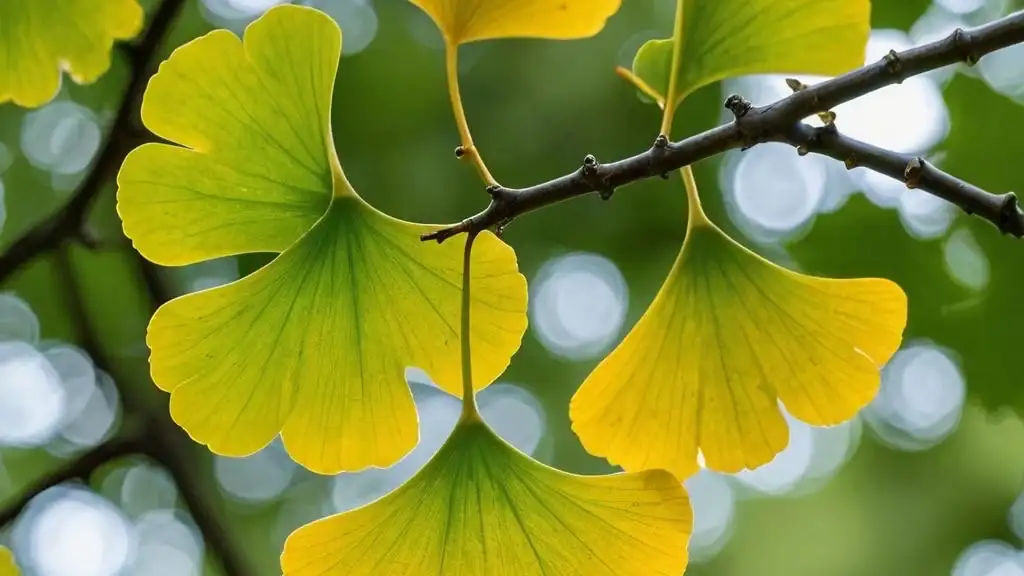
Ginkgo: the Ancient Brain Tonic

Ginkgo (Ginkgo biloba), with its distinctive fan-shaped leaves and ancient lineage, is often called a “living fossil”—it has survived virtually unchanged for over 200 million years. Revered in traditional Chinese medicine and now cherished worldwide, ginkgo is celebrated for its ability to support circulation, particularly to the brain.

Herbalists and researchers alike praise ginkgo for its gentle power to enhance memory, sharpen mental clarity, and protect the mind from the effects of aging and stress. Many people find that incorporating ginkgo into their daily routine helps lift mental fog and sustain focus, especially during busy or stressful seasons. 

A World of Herbal Allies

Lion’s Mane, Ginkgo, and Gotu Kola are just a few members of a vast family of herbal nootropics. Bacopa (Bacopa monnieri), another Ayurvedic staple, is renowned for supporting learning and memory. Rosemary, once worn as a crown by Greek scholars, is still cherished for its ability to stimulate the mind and uplift the spirit. Even humble nettle, often overlooked, can support circulation, mental clarity, and overall vitality.

A Gentle Invitation

The path of herbal nootropics is not a race but a relationship. These plants and fungi work best when paired with nourishing food, mindful rest, and a reverence for nature’s rhythms. They invite us to slow down, listen, and remember that wisdom is a process, not a destination.

Work with herbal nootropics that nurture both mind and spirit, one thoughtful cup of tea or tincture at a time.

Interested in learning more? Here is the Beginner’s Guide to Nootropics 

Mayan Medicine: the neglected art

“Mayan cosmovision is a value system that interprets and connects the world, life, things and time…explaining how to size Universe and nature, whilst performing the art of healing”Many people are familiar with Traditional Chinese Medicine or Ayurveda, but few know ancient Mayan medicine. Why is it so? Mayan Medicine is a millennia-old tradition, transmitted orally for so many generations despite colonization, civil wars, and post-colonial religious brainwashing. It still has a strong core, tough, resilient, and palpable.

Yet it is on the verge of extinction, even in the rural areas of Guatemala where it was once constantly practiced.  Mayan elders now struggle to teach their medicine to young people who feel a strong pull to leave the countryside or the forest, seeking city life, more opportunities, or a fresh escape. Moreover, books and documents reporting this ancient knowledge are very scarce. This lack of information is affecting the vitality of these powerful traditions, and elders struggle to keep them pure and free from contamination by modern revisitations.

MAYAN THERAPIES AT A GLANCE

The two best-known Mayan therapies are ancient reflexology techniques called the Neurosacral and Abdominal Massage. Beyond physical manipulation, these therapies engage the emotional sphere and regenerate the Ch’ulel, or vital universal force. You must learn and integrate the teachings of Mayan nahuales and Mayan cosmology before applying them; for this reason, the cosmovision can’t be detached from the practice.

Even if most of the information is not structured, Mayan Medicine is an incredibly valuable and effective holistic practice, especially focused on the comprehension of the self and one’s role in the cosmos. The wide variety of plants, rituals, minerals, and shamanic elements in use makes it a remarkable and tailored experience, far beyond the sterile biomedical approach.

The realm of dreams, the subconscious mind, the elements in nature, and the inner journey are all essential blocks of a fascinating system that forces the apprentice into perpetual investigation and dynamic social sharing.

Healers known as aj-men or tatas possessed deep knowledge of local flora, using hundreds of plants for everything from digestive ailments to wound care and spiritual protection. Remedies often included plants like copal (used as incense for cleansing and offerings), cacao (cherished for its nourishing and mood-lifting properties), and chaya (sometimes called Mayan spinach, valued for its nutritional and tonic effects). The Maya also relied on powerful plants such as balché, a sacred tree whose bark they fermented into a ceremonial beverage, and ceiba, the majestic tree regarded as the axis of the world and central to both cosmology and healing.

Mayan medicine was never just about physical health—it was a holistic practice interwoven with ritual and cosmology. Healing ceremonies typically involved prayers, offerings, and the burning of sacred herbs to communicate with ancestors and deities. Ritual steam baths known as temazcal incorporated aromatic plants to purify the body and spirit, while divination and dreamwork helped diagnose illness and guide treatment. In this worldview, illness could arise from spiritual imbalance or disharmony within the community or the land itself, so healing often meant restoring balance in all realms. Today, the legacy of Mayan plant medicine lives on, inspiring herbalists and healers to honor the interconnectedness of body, spirit, and the natural world

HOW TO PRESERVE THE MAYAN WISDOM?

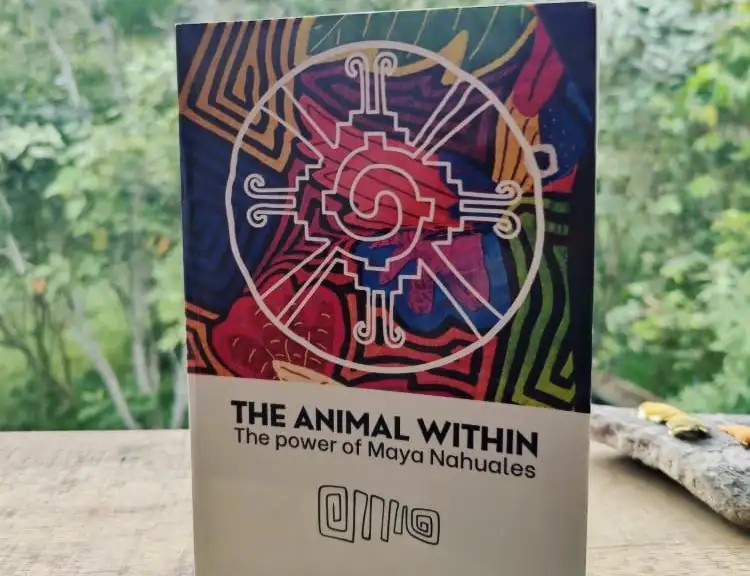
To keep these traditions alive, we must pass on the knowledge. Having studied with a few elders from the Alta Verapaz and Coastal regions of Guatemala and Belize, I reflect today on the continuity of this heritage. All of my teachers died recently, and with them a vast amount of wisdom, kindness, and sarcasm. Later, I decided to publish my field and training notes and polish everything into two books to keep the flame alive. Many years after the first publication, I still feel grateful and blessed for this opportunity.  How precious was their contribution in shaping an oral tradition into a more tangible form.

Bantiox.

If you want to explore the Maya Nahuales and Plants, check out my author’s page HERE

Learn more about our  MAYAN MEDICINE COURSE