“Mayan cosmovision is a value system that interprets and connects the world, life, things and time…explaining how to size Universe and nature, whilst performing the art of healing”Many people are familiar with Traditional Chinese Medicine or Ayurveda, but few know ancient Mayan medicine. Why is it so? Mayan Medicine is a millennia-old tradition, transmitted orally for so many generations despite colonization, civil wars, and post-colonial religious brainwashing. It still has a strong core, tough, resilient, and palpable.
Yet it is on the verge of extinction, even in the rural areas of Guatemala where it was once constantly practiced. Mayan elders now struggle to teach their medicine to young people who feel a strong pull to leave the countryside or the forest, seeking city life, more opportunities, or a fresh escape. Moreover, books and documents reporting this ancient knowledge are very scarce. This lack of information is affecting the vitality of these powerful traditions, and elders struggle to keep them pure and free from contamination by modern revisitations.
MAYAN THERAPIES AT A GLANCE
The two best-known Mayan therapies are ancient reflexology techniques called the Neurosacral and Abdominal Massage. Beyond physical manipulation, these therapies engage the emotional sphere and regenerate the Ch’ulel, or vital universal force. You must learn and integrate the teachings of Mayan nahuales and Mayan cosmology before applying them; for this reason, the cosmovision can’t be detached from the practice.
Even if most of the information is not structured, Mayan Medicine is an incredibly valuable and effective holistic practice, especially focused on the comprehension of the self and one’s role in the cosmos. The wide variety of plants, rituals, minerals, and shamanic elements in use makes it a remarkable and tailored experience, far beyond the sterile biomedical approach.
The realm of dreams, the subconscious mind, the elements in nature, and the inner journey are all essential blocks of a fascinating system that forces the apprentice into perpetual investigation and dynamic social sharing.
Healers known as aj-men or tatas possessed deep knowledge of local flora, using hundreds of plants for everything from digestive ailments to wound care and spiritual protection. Remedies often included plants like copal (used as incense for cleansing and offerings), cacao (cherished for its nourishing and mood-lifting properties), and chaya (sometimes called Mayan spinach, valued for its nutritional and tonic effects). The Maya also relied on powerful plants such as balché, a sacred tree whose bark they fermented into a ceremonial beverage, and ceiba, the majestic tree regarded as the axis of the world and central to both cosmology and healing.
Mayan medicine was never just about physical health—it was a holistic practice interwoven with ritual and cosmology. Healing ceremonies typically involved prayers, offerings, and the burning of sacred herbs to communicate with ancestors and deities. Ritual steam baths known as temazcal incorporated aromatic plants to purify the body and spirit, while divination and dreamwork helped diagnose illness and guide treatment. In this worldview, illness could arise from spiritual imbalance or disharmony within the community or the land itself, so healing often meant restoring balance in all realms. Today, the legacy of Mayan plant medicine lives on, inspiring herbalists and healers to honor the interconnectedness of body, spirit, and the natural world
HOW TO PRESERVE THE MAYAN WISDOM?
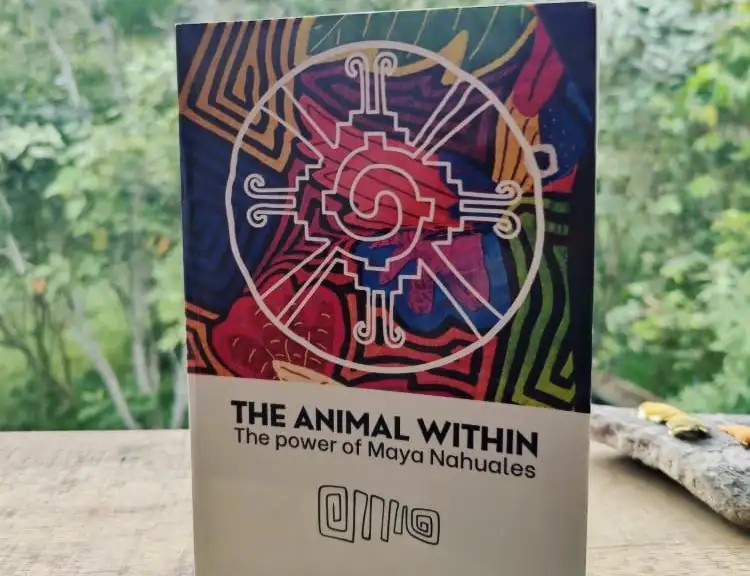
To keep these traditions alive, we must pass on the knowledge. Having studied with a few elders from the Alta Verapaz and Coastal regions of Guatemala and Belize, I reflect today on the continuity of this heritage. All of my teachers died recently, and with them a vast amount of wisdom, kindness, and sarcasm. Later, I decided to publish my field and training notes and polish everything into two books to keep the flame alive. Many years after the first publication, I still feel grateful and blessed for this opportunity. How precious was their contribution in shaping an oral tradition into a more tangible form.
Bantiox.
If you want to explore the Maya Nahuales and Plants, check out my author’s page HERE
Learn more about our MAYAN MEDICINE COURSE